Every September, Peripheral Artery Disease Awareness Month brings focus to a condition that affects millions worldwide but often goes unnoticed Peripheral Artery Disease (PAD).
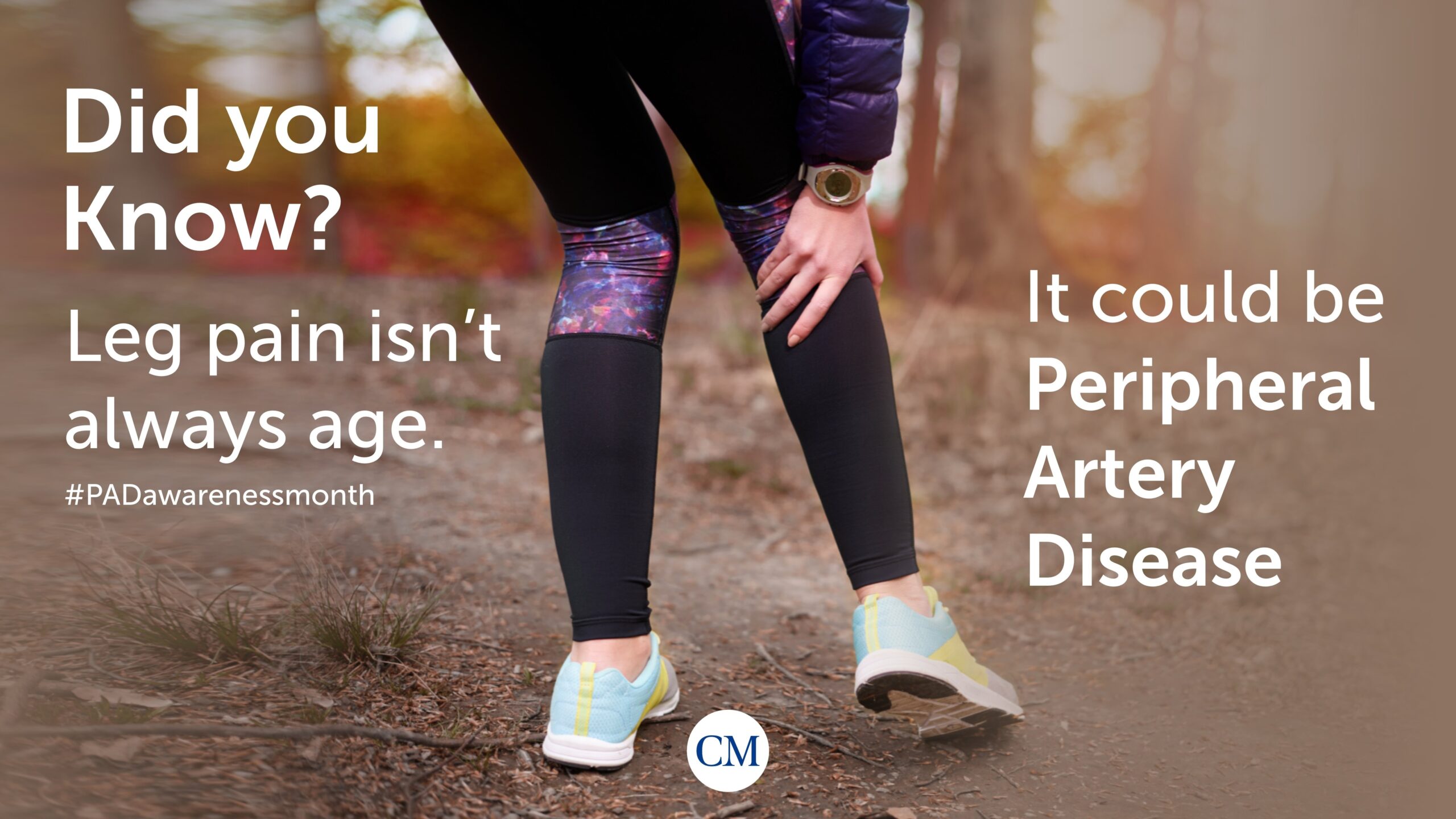
Globally, over 200 million people live with Peripheral Artery Disease, and studies show that nearly half remain undiagnosed. Many dismiss leg pain, cramps, or fatigue as “just aging,” when these could be early signs of poor circulation.
Left untreated, Peripheral Artery Disease doesn’t just limit mobility it can double the risk of heart attack and stroke, making early recognition and prevention critical.
What is Peripheral Artery Disease?
Peripheral Artery Disease is a circulatory condition where plaque builds up inside the arteries, narrowing the passageway for blood flow. It most commonly affects the legs, leading to pain, heaviness, or numbness, especially during walking or physical activity.
But Peripheral Artery Disease is more than a leg problem. It’s a systemic warning sign. Research shows that 1 in 3 people with Peripheral Artery Disease also have coronary artery disease, highlighting the close link between PAD and overall heart health.
Recognizing the Signs
Peripheral Artery Disease often develops quietly, with subtle symptoms that are easy to overlook.
Common signs include:
A major concern is underdiagnosis: studies reveal that up to 50% of people with Peripheral Artery Disease have no noticeable symptoms, which is why awareness is so important.
Who is at Risk?
Several health and lifestyle factors increase the likelihood of developing Peripheral Artery Disease, such as:
The impact is significant: 1 in 4 people over the age of 50 with diabetes or a history of consuming Tabacco may develop Peripheral Artery Disease. Knowing these risks allows individuals to act early and reduce complications.
Prevention: Small Steps, Big Difference
The encouraging news is that Peripheral Artery Disease can often be prevented, or its progression slowed, through proactive lifestyle choices.
Simple preventive steps include:
These small, consistent actions build long-term protection for your arteries and overall vascular health.
Treatment Options for PAD
While lifestyle changes are important, medical treatment is often necessary to improve blood flow and reduce complications. The right approach depends on the severity of the condition:
The goal of treatment is not only to relieve symptoms but also to prevent heart attack, stroke, or limb-related complications.
The Bigger Picture: Peripheral Artery Disease and Heart Health
Peripheral Artery Disease is not just a localized leg condition it reflects overall arterial health. Studies show that people with Peripheral Artery Disease are 2–6 times more likely to experience heart attack or stroke.
Research also indicates that Peripheral Artery Disease patients face a 45% higher risk of developing coronary artery disease, underscoring the urgency of early detection.
In other words, your legs can be the first to reveal hidden cardiovascular risks. Detecting Peripheral Artery Disease early means protecting not only your mobility but also your life.
Conclusion
Peripheral Artery Disease Awareness Month is a reminder to listen to your body. Leg pain, numbness, or fatigue should never be brushed aside as “normal aging.” With early detection, preventive care, and lifestyle changes, Peripheral Artery Disease can be managed and the risk of severe cardiovascular events can be reduced.
References
NCBI: Peripheral Arterial Disease – StatPearls – NCBI Bookshelf
Science Direct : Peripheral Artery Disease: A Comprehensive Updated Review – ScienceDirect