
Drug-Coated Balloon (DCB): What It Is and How It Helps
Drug-Coated Balloon (DCB) therapy is an metal-free treatment that gently opens narrowed blood vessels and promotes natural healing.
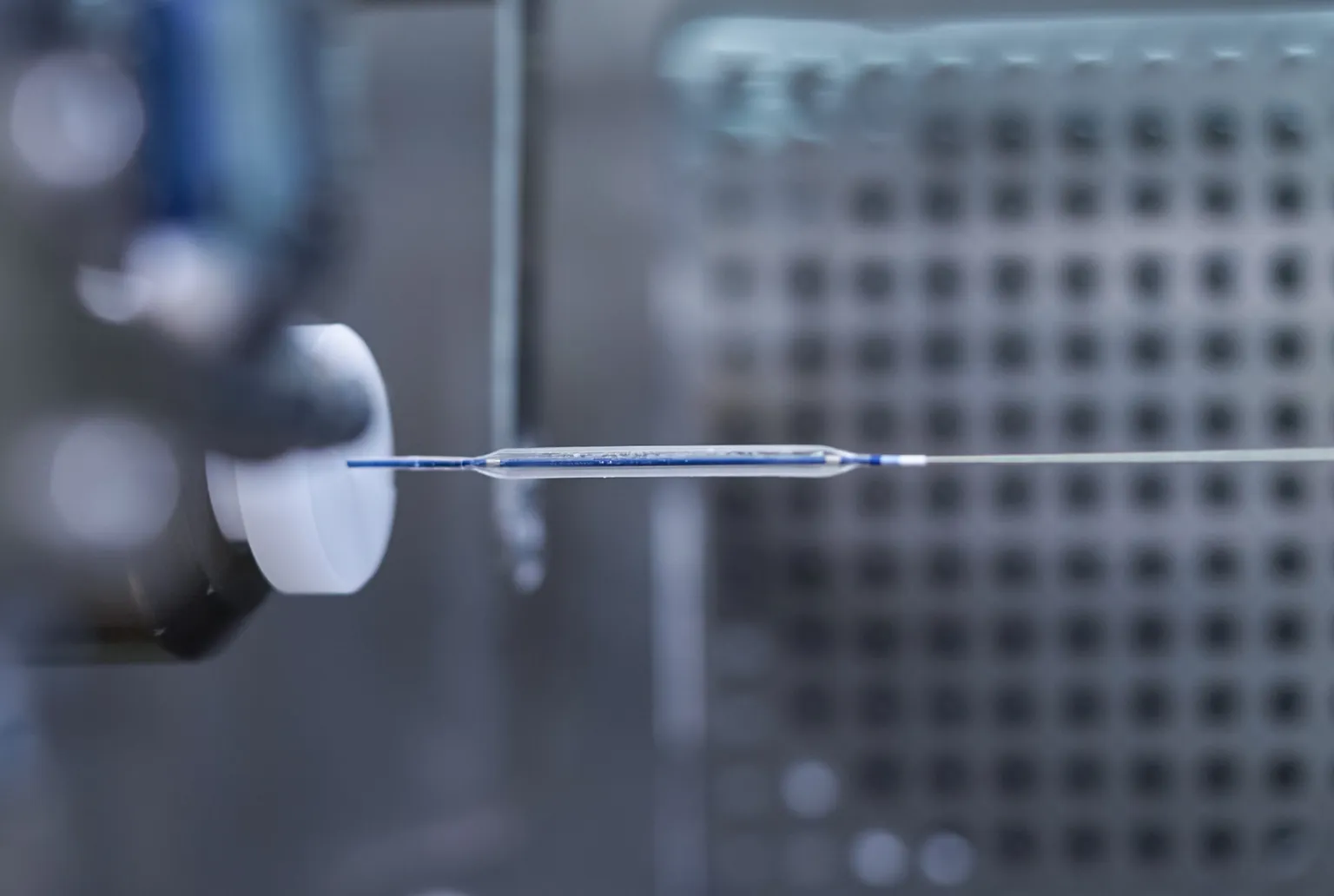
Understanding Drug-Coated Balloon Therapy
Drug-Coated Balloon therapy is an advanced form of angioplasty used to treat narrowed or blocked blood vessels.
During the procedure, a Drug-Coated Balloon is briefly inflated inside the artery. This opens the vessel and delivers therapeutic medication directly to the vessel wall.
Once the Drug-Coated Balloon is removed, no metal implant remains in the body allowing the artery to heal naturally, stay flexible, and maintain its original structure.
This approach is widely used across heart, limb, and other vascular conditions.
How a Drug-Coated Balloon Works?
When it reaches the exact location:
- 1. The balloon widens the narrowed vessel
- 2. A medication coating is transferred to the vessel wall
- 3. The balloon is removed with no metal implant left behind
Types of Drug-Coated Balloons
Common types include:
Paclitaxel-Coated Balloons
Sirolimus-Coated Balloons
Next-generation polymer-based balloons
Where Drug-Coated Balloons Are Used?
maintaining the natural vessel structure is important.
Coronary Arteries (Heart)
Used in specific heart angioplasty cases such as:
Small vessel disease, Restenosis after a previous stenting, Situations where avoiding a permanent metal implant is preferred

Peripheral Arteries PTA (Leg Arteries)

Erectile Dysfunction ED

Dialysis Access Pathways AVF
For patients undergoing dialysis, Drug-Coated Balloons
helps to treat narrowing in arteriovenous fistulas (AVF), supporting smoother and more reliable blood flow.
Why Doctors Recommend Drug-Coated Balloon Therapy?
Doctors often choose drug-coated balloons for treating narrowed arteries because they offer a safe, effective, and metal-free approach to restoring healthy blood flow. Instead of placing a permanent metal stent, a DCB delivers a therapeutic drug directly to the vessel wall and then is removed allowing the artery to heal naturally.
No Permanent Metal Implant — Natural Vessel Movement Preserved
A major benefit of a drug-coated balloon is that it doesn’t leave a metallic device behind. This helps the artery
maintain its natural flexibility and ability to expand and contract. The vessel heals without having to adapt to a rigid scaffold.
Lower Long-Term Complication Risk
Because there is no metal left inside, DCBs reduces the chance of long-term issues sometimes seen with stents, such as chronic inflammation, stent fracture, late-stage clot formation (late thrombosis) This makes the therapy particularly beneficial for patients needing long-term safety.
Shorter Duration of Blood Thinners
Many patients treated with drug-coated balloons require a shorter period of Dual Antiplatelet Therapy (DAPT). This is especially helpful for people who have a higher risk of bleeding or cannot tolerate extended blood-thinning medications.
Effective for Complex or Challenging Lesions
Doctors rely on DCBs in scenarios where stenting is difficult, risky, or less effective, including:
In-Stent Restenosis (ISR): When a previously implanted stent narrows again, a DCB can restore the vessel without placing yet another metal layer
Small Vessels: Very small arteries respond better to a DCB-only approach than to stents
Bifurcation Lesions: At vessel branch points, using a stent can be complicated; DCBs simplify treatment and avoid double-stenting,
Long or Diffuse Disease: A drug-coated balloon can treat long segments without increasing the “metal load.”
What to Expect After Drug-Coated Balloon Treatment?
Recovery
Most patients recover quickly because no permanent metal implant is left behind. Mild soreness at the wrist or groin is normal for a day or two.
Medications
You may need blood-thinning medicines for a shorter duration. Always follow your doctor’s exact instructions.
Healing Benefits
The artery can heal naturally, and its ability to expand and contract is better preserved. This approach is especially helpful in small vessels or areas previously treated with stents.
Care Instructions
Avoid heavy lifting or strenuous activity for 24 hours. Keep the access site clean and dry. Attend all follow-up appointments.
Lifestyle
A heart-healthy diet, light exercise, and managing cholesterol, sugar, and blood pressure help long-term recovery.
When to Seek Help
Contact your doctor right away if you experience severe chest pain, shortness of breath, unusual swelling, or persistent bleeding.
Frequently Asked Questions (FAQs)
No. After a Drug-Coated Balloon delivers its medication, the device is fully removed.
Learn More About Drug-Coated Balloon Therapy
Disclaimer
This content is for educational purposes only and does not replace professional medical advice, diagnosis, or treatment. Drug-Coated Balloon therapy must be prescribed and performed by a qualified healthcare professional based on individual patient needs. Treatment suitability, outcomes, and availability may vary by patient and region according to local regulatory approvals. Always consult your doctor for medical advice. In emergencies, seek immediate medical care.