
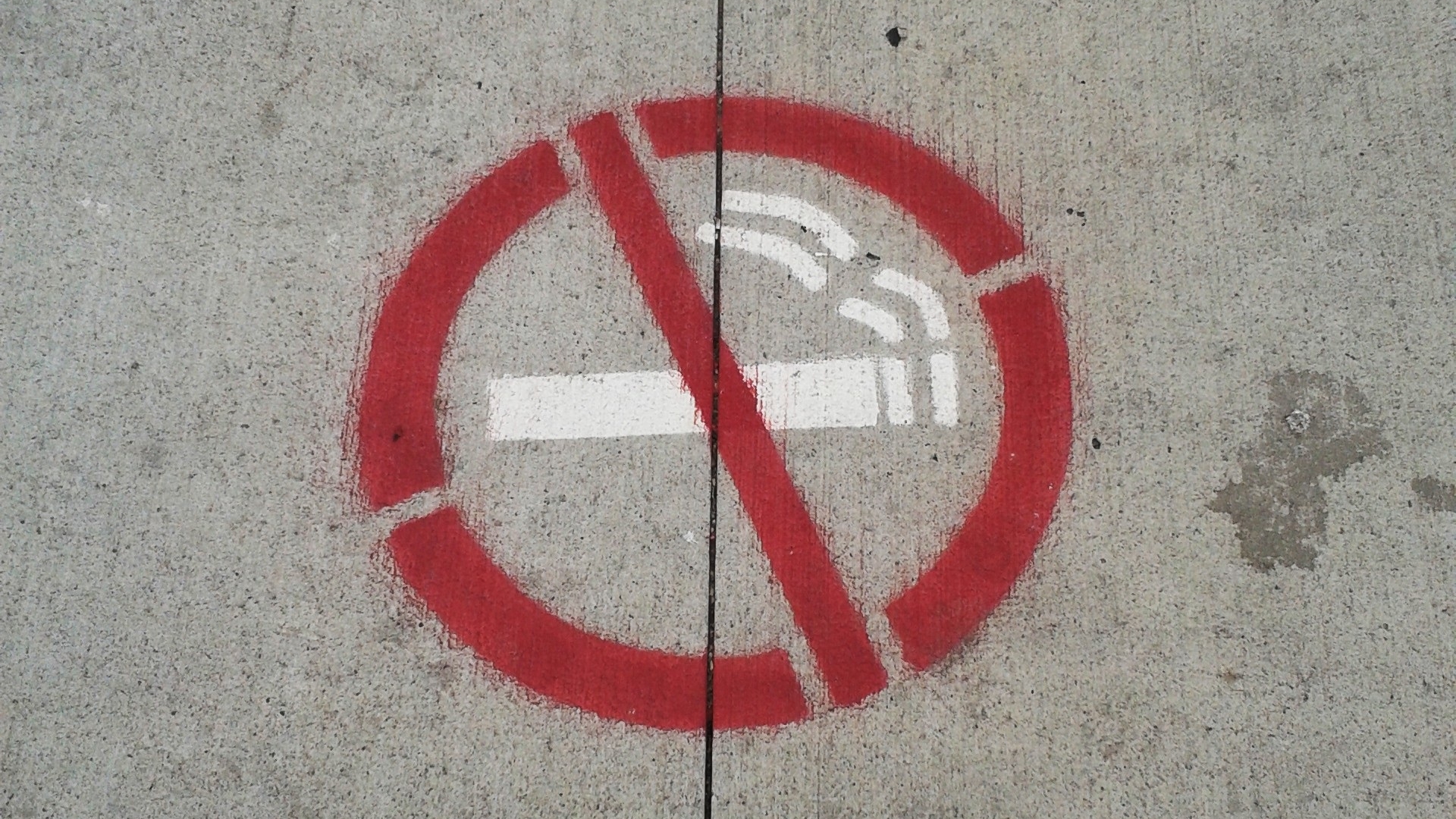
The Problem Is Bigger Than Smoking
Tobacco continues to kill more than 8 million people globally every year, including nearly 1.3 million deaths caused by second-hand smoke exposure. Despite decades of awareness campaigns, tobacco use and nicotine addiction remain among the leading causes of preventable cardiovascular disease, coronary artery disease, stroke, respiratory illness, and cancer worldwide.
However, in 2026, the conversation around tobacco is no longer limited to traditional cigarettes.
Today, nicotine is being rebranded for a new generation.
From flavoured vapes and sleek disposable devices to influencer culture and trend-driven digital marketing, nicotine products are now designed to appear modern, aesthetic, social, and harmless especially among teenagers and young adults.
The theme for World No Tobacco Day 2026, “Unmasking the Appeal: Countering Nicotine and Tobacco Addiction,” focuses on exposing the strategy behind modern nicotine addiction and how tobacco products are normalized before their health risks become visible.
Because addiction today does not begin with warning signs.
It begins with attraction.
At Concept Medical, building a healthier future also means creating awareness around the lifestyle habits and modern influences that silently impact cardiovascular health, heart disease, peripheral artery disease (PAD), and long-term vascular health especially among younger generations.
The Modern Appeal of Nicotine
Modern nicotine products no longer resemble traditional tobacco products. Today’s vapes, electronic cigarettes, nicotine pouches, and disposable devices are strategically designed to attract attention through:
Many products are perceived as harmless, trendy, or safer alternatives to smoking. However, nicotine remains highly addictive regardless of the delivery format.
The growing concern today is not only tobacco use itself, but how nicotine addiction is being normalized through emotional influence, aesthetics, and digital culture.
This shift has significantly increased nicotine exposure among adolescents and young adults, placing future cardiovascular and heart health at serious risk.
Attraction Before Addiction
Nicotine addiction often begins with curiosity, peer pressure, stress, anxiety, or the desire to fit into social environments. Modern tobacco marketing increasingly promotes emotions such as confidence, relaxation, independence, and social acceptance rather than directly promoting tobacco products themselves.
This psychological appeal is especially dangerous for adolescents and young adults because the developing brain is more vulnerable to addictive behaviour patterns and long-term nicotine dependency.
What begins as experimentation with vaping or nicotine products can gradually develop into long-term addiction before the physical symptoms become noticeable.
The biggest challenge is that many young users no longer identify themselves as smokers, even while regularly consuming nicotine products.
The Impact of Tobacco on Cardiovascular and Heart Health
While tobacco is commonly associated with lung disease, its impact on cardiovascular health and heart disease is equally severe.
Nicotine and tobacco chemicals can:
Over time, tobacco use significantly increases the risk of:
Even modern nicotine delivery systems such as vapes and electronic cigarettes have shown links to vascular dysfunction and long-term cardiovascular complications.
At Concept Medical, advancing cardiovascular care also includes supporting awareness around the preventable risk factors that contribute to heart disease, vascular disease, and poor arterial health.
Awareness for a Changing Generation
Traditional anti-smoking messaging focused mainly on statements like “Smoking kills” or “Quit tobacco.” While these warnings remain important, today’s generation is growing up in a digital environment where nicotine is promoted through trends, aesthetics, social media influence, and emotional marketing rather than direct advertising.
That is why awareness today must go beyond fear-based communication.
Young audiences need to understand:
World No Tobacco Day 2026 is not just about exposing tobacco products.
It is about exposing the strategy behind the appeal.
Because the real danger is not only in the smoke.
It is in the way nicotine addiction is being made to look normal.
Protecting Young Hearts for the Future
Preventing nicotine addiction is not only about reducing smoking rates. It is about protecting future generations from cardiovascular disease, coronary artery disease, stroke, and long-term vascular complications.
Creating awareness among young audiences today can help build healthier lifestyles, stronger heart health, and a healthier and happier tomorrow.
At Concept Medical, the commitment toward advancing cardiovascular innovation also includes supporting awareness that empowers healthier lives and healthier hearts worldwide.
Protect young hearts today for a healthier and happier tomorrow.